Blog
How Solar Power Works: A Simple Guide for Homeowners
1. The Basics of Solar Energy
The key idea is simple:
Sunlight → Electricity → Power for your home
2. The Main Components of a Home Solar System
A typical residential solar system has four main parts:
a) Solar Panels
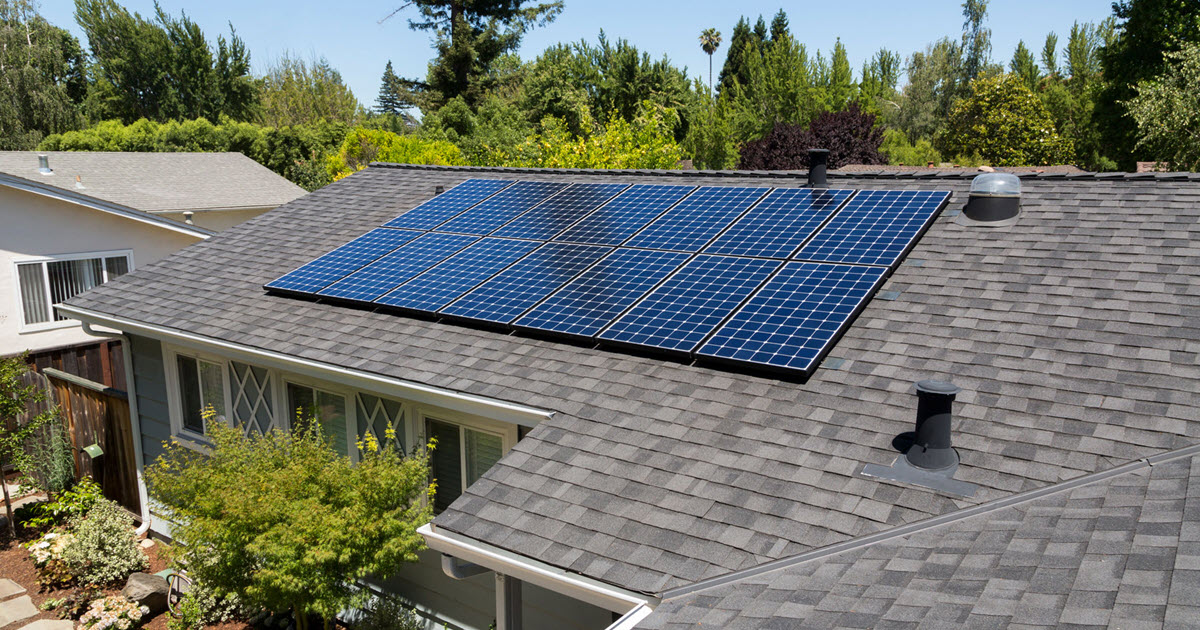
Solar panels are usually installed on your roof or another sunny location. Each panel contains many solar cells made from silicon. These cells absorb sunlight and generate direct current (DC) electricity.
b) Inverter
Homes use alternating current (AC) electricity, but solar panels produce DC power. The inverter converts DC electricity into AC electricity so your appliances can use it safely.
c) Electrical Panel
Once converted, electricity flows to your home’s electrical panel, where it’s distributed to lights, outlets, and appliances—just like power from the utility company.
d) Utility Meter (and Grid Connection)
If your system produces more electricity than you use, the excess is sent back to the power grid. Many utilities offer net metering, which credits you for that extra energy.
3. Step-by-Step: How Solar Power Works in Your Home
Here’s the process in everyday language:
- Sunlight hits the solar panels on your roof.
- Solar cells generate electricity when energized by sunlight.
- The inverter converts electricity into usable power.
- Your home uses solar power first, reducing how much you draw from the grid.
- Extra energy goes back to the grid or into a battery, if you have one.
This all happens automatically, no switching required.
4. What Happens at Night or on Cloudy Days?
Solar panels need sunlight, but that doesn’t mean your home goes dark when the sun sets.
You have a few options:
- Grid-tied systems: Your home pulls electricity from the grid when solar production is low.
- Solar batteries: Excess energy stored during the day can be used at night or during power outages.
- Hybrid systems: Combine both grid access and battery storage for flexibility and backup power.
5. Benefits of Solar Power for Homeowners
Installing solar power offers several advantages:
- Lower electricity bills
- Protection from rising energy costs
- Reduced carbon emissions
- Increased home value
- Energy independence and reliability
Many homeowners see noticeable savings within the first year.
6. Is Solar Power Right for Your Home?
Solar works best if:
- Your roof gets good sunlight for most of the day
- You plan to stay in your home for several years
- Local incentives or tax credits are available
Even homes without ideal roofs can sometimes use ground-mounted systems or community solar programs.
7. Final Thoughts
If you’re looking for a smart, sustainable upgrade to your home, solar power is one of the most accessible renewable energy options available today.