

Blog
How Much Can You Save with Solar Energy? Cost & ROI Explained

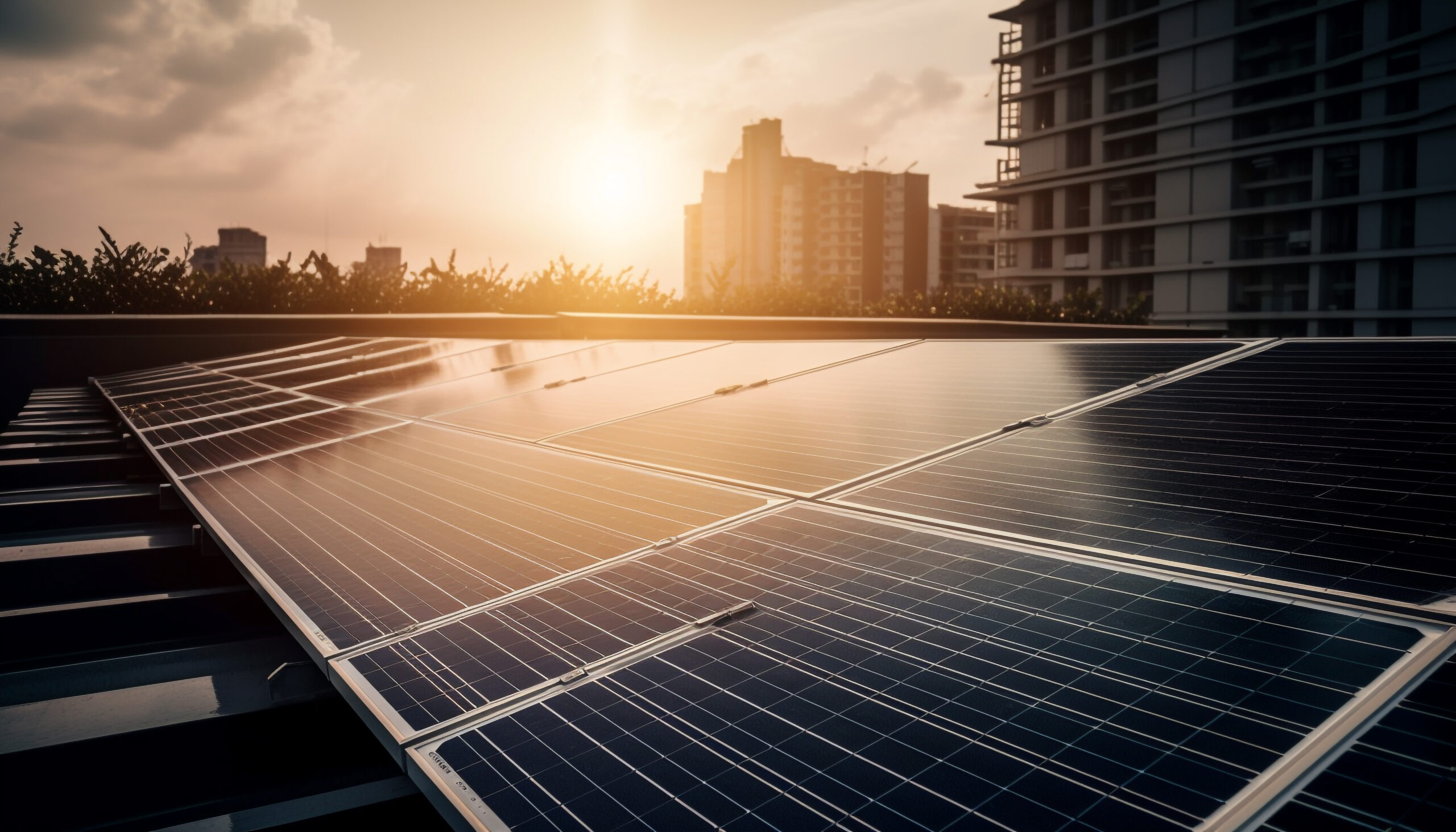
One of the first questions people ask when considering solar energy is simple and practical. How much money will I actually save? The answer depends on several factors, but for many homeowners and businesses, solar power delivers real financial benefits over time.
This guide explains solar costs, savings, and return on investment in a clear and human way so you can understand what to expect.
Understanding the Cost of Going Solar
The cost of a solar energy system depends on system size, energy needs, location, and equipment quality. A typical system includes solar panels, an inverter, mounting equipment, and installation.
While the upfront cost may seem high at first, it is important to remember that solar is a long-term investment. Many people reduce initial expenses through incentives, rebates, or financing options that spread the cost over time.
Once installed, the system starts working for you every day using free sunlight.
While the upfront cost may seem high at first, it is important to remember that solar is a long-term investment. Many people reduce initial expenses through incentives, rebates, or financing options that spread the cost over time.
Once installed, the system starts working for you every day using free sunlight.
How Solar Energy Reduces Your Electricity Bills
Solar panels generate electricity during daylight hours. Your home or business uses this energy first, which reduces how much electricity you need to buy from the utility company.
In many cases, excess electricity is sent back to the grid and credited to your account. Over time, this can significantly lower monthly energy bills. Some homeowners see their bills drop by a large percentage, while others nearly eliminate them altogether.
The more electricity you use during the day, the more you benefit from solar power.
In many cases, excess electricity is sent back to the grid and credited to your account. Over time, this can significantly lower monthly energy bills. Some homeowners see their bills drop by a large percentage, while others nearly eliminate them altogether.
The more electricity you use during the day, the more you benefit from solar power.
Factors That Affect Your Savings
Solar savings are not the same for everyone. A few key factors influence how much you can save.
Location plays a major role since areas with more sunlight produce more energy. Electricity rates also matter because higher utility prices mean greater savings from solar. System size, roof orientation, and energy habits all impact results as well.
Businesses often see faster savings because they typically use more electricity during daytime hours when solar production is highest.
Location plays a major role since areas with more sunlight produce more energy. Electricity rates also matter because higher utility prices mean greater savings from solar. System size, roof orientation, and energy habits all impact results as well.
Businesses often see faster savings because they typically use more electricity during daytime hours when solar production is highest.
What Is Return on Investment in Solar
Return on investment refers to how long it takes for your solar savings to equal the cost of the system. This period is often called the payback time.
For many homeowners, payback occurs within several years. After that point, the electricity your system produces is essentially free. Since solar panels can last decades, this means years of savings beyond the initial investment.
For businesses, return on investment is often faster due to higher energy usage and additional financial benefits.
For many homeowners, payback occurs within several years. After that point, the electricity your system produces is essentially free. Since solar panels can last decades, this means years of savings beyond the initial investment.
For businesses, return on investment is often faster due to higher energy usage and additional financial benefits.
Long-Term Financial Benefits of Solar Energy
Solar energy offers more than just monthly bill savings.
It helps protect against rising electricity costs, increases property value, and provides predictable energy expenses. Over time, these benefits add up and create strong financial stability.
Even after accounting for maintenance, solar systems typically deliver more value than they cost over their lifetime.
It helps protect against rising electricity costs, increases property value, and provides predictable energy expenses. Over time, these benefits add up and create strong financial stability.
Even after accounting for maintenance, solar systems typically deliver more value than they cost over their lifetime.
Is Solar Energy Worth It
For most homes and businesses, solar energy is a smart financial decision. It allows you to turn an ongoing expense into a long-term asset. Instead of paying rising utility bills year after year, you invest in a system that produces value for decades.
While savings vary, the combination of lower bills, incentives, and long system life makes solar energy a strong option for anyone looking to reduce costs and gain energy control.
While savings vary, the combination of lower bills, incentives, and long system life makes solar energy a strong option for anyone looking to reduce costs and gain energy control.
Final Thoughts
Solar energy is not just about clean power. It is about financial freedom and long-term savings. By understanding costs and return on investment, you can make a confident decision that benefits both your wallet and your future.
With the right system and planning, solar energy can pay for itself and continue saving you money for many years to come.
With the right system and planning, solar energy can pay for itself and continue saving you money for many years to come.