Uncategorized

On-Grid vs Off-Grid vs Hybrid Solar Systems

Choosing a solar system is not just about installing panels on your roof. It is also about deciding how your home or business will connect to electricity day and night. The three main options are on-grid, off-grid, and hybrid solar systems. Each one works differently and suits different lifestyles, locations, and energy goals. This guide explains each system in a clear and human way so you can decide what fits you best.

What Is an On-Grid Solar System

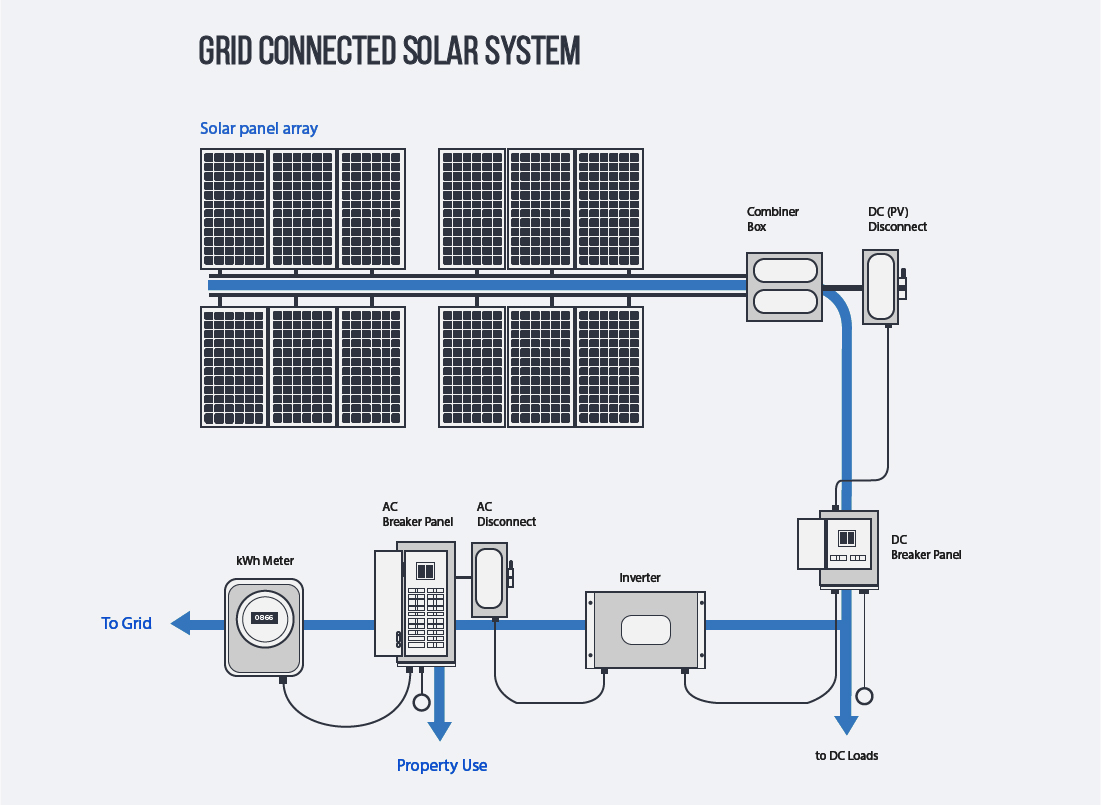
An on-grid solar system is connected to the public electricity grid. It is the most common type of solar setup for homes and businesses.

During the day, your solar panels generate electricity. Your home uses this power first. If your panels produce more energy than you need, the extra electricity flows back to the grid. When your panels are not producing enough power, such as at night, you draw electricity from the grid as usual.

Why people choose on-grid systems

  • Lower upfront cost compared to other systems
  • Access to net metering in many areas
  • Simple design with fewer components

Things to keep in mind


  • Power outages still affect you

  • No battery backup unless added separately


On-grid systems are ideal for areas with a stable electricity supply and supportive utility policies.

What Is an Off-Grid Solar System

An off-grid solar system operates completely independently from the utility grid. It generates and stores all the electricity needed to power a home or business.

These systems rely on solar panels and batteries to store energy for nighttime and cloudy days. Many also include a backup generator for extra reliability.

Why people choose off-grid systems

  • Total energy independence
  • Reliable power in remote locations
  • No monthly electricity bills

Things to keep in mind


  • Higher installation cost due to batteries

  • Careful energy management is required

  • System size must be planned accurately


Off-grid solar works best for rural areas, remote properties, or people who want full control over their energy source.

What Is a Hybrid Solar System

A hybrid solar system combines the best parts of on-grid and off-grid systems. It connects to the grid while also using battery storage.

During the day, solar panels power your home and charge the batteries. At night or during power outages, the batteries supply electricity. If needed, the grid can still provide backup power.

Why people choose hybrid systems

  • Backup power during outages
  • Flexibility and energy security
  • Better use of solar energy

Things to keep in mind

  • Higher cost than on-grid systems
  • More components and planning involved

Hybrid systems are a great choice for people who want reliability without fully disconnecting from the grid.

Quick Comparison Overview


  • On-grid works with the utility grid and focuses on savings

  • Off-grid works independently and focuses on self-sufficiency

  • Hybrid combines grid access with battery backup


Each option serves a different purpose, and there is no one-size-fits-all solution.

Which Solar System Is Right for You

The right choice depends on your location, budget, energy needs, and personal priorities.

If you want lower costs and live in an area with reliable electricity, on-grid solar may be the best fit. If you live far from utility lines or want full independence, off-grid solar makes sense. If you want backup power and flexibility, a hybrid system offers the best balance.
Final Thoughts

Understanding the difference between on-grid, off-grid, and hybrid solar systems helps you make a confident decision. Solar energy is not just about panels. It is about how your power flows, how reliable it is, and how much control you want.

With the right system, solar can deliver comfort, savings, and peace of mind for many years to come.

Leave a Reply

Your email address will not be published. Required fields are marked *