Uncategorized

Solar Panel Installation Process: Step-by-Step Guide

Thinking about going solar is exciting, but the installation process can feel a little confusing at first. The good news is that installing solar panels is a well-structured and straightforward journey when handled by professionals. Knowing what happens at each stage can help you feel confident and prepared. Here is a clear, step-by-step guide to how solar panel installation typically works, explained in a simple and human way.

Step 1: Initial Consultation and Energy Review

The process begins with a conversation. A solar provider reviews your electricity usage, listens to your goals, and answers your questions. This step helps determine whether solar is a good fit for your home or business.

You may be asked to share recent utility bills so the installer can understand how much energy you use and how large the system should be.

Step 2: Site Inspection and Roof Assessment

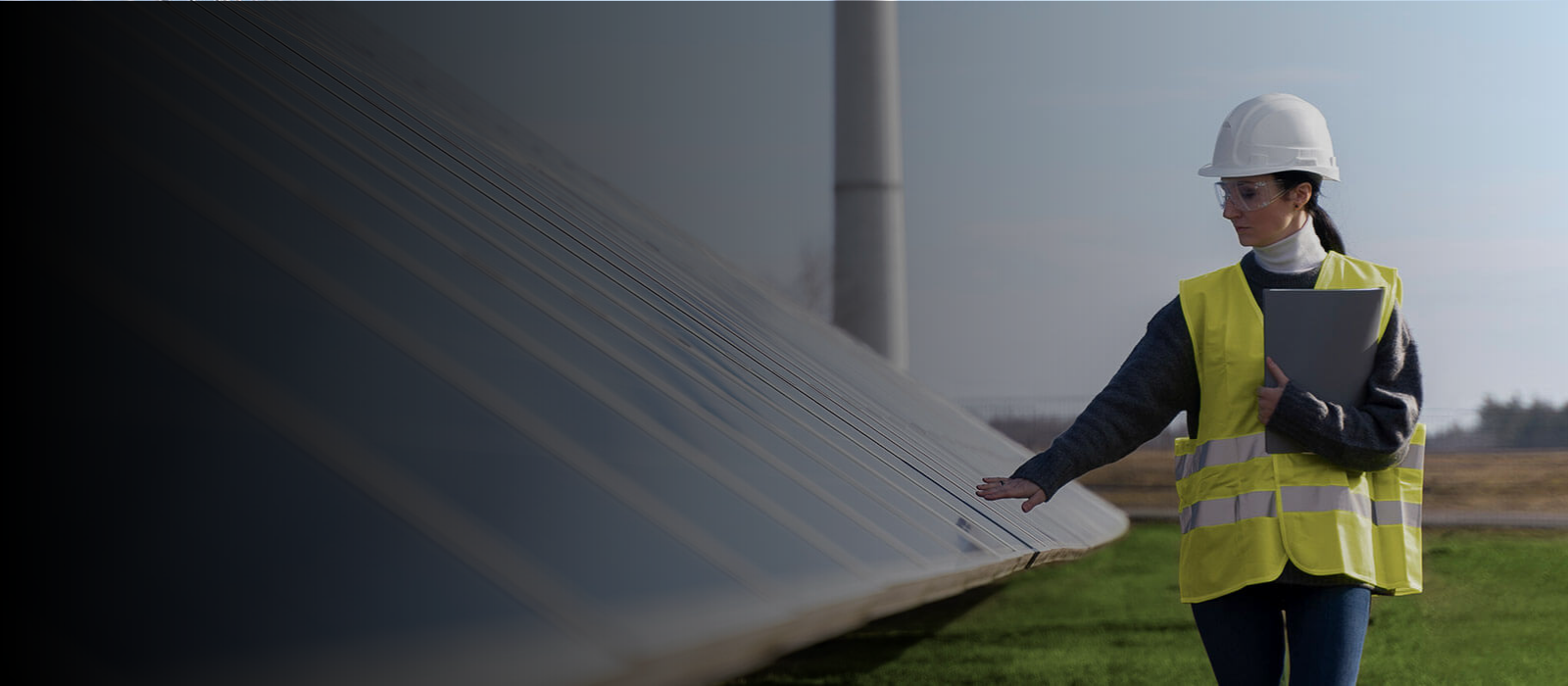
Next comes a site visit. A technician checks your roof condition, angle, and available space. They also look at shading from trees or nearby buildings and evaluate your electrical system.

This step ensures your roof can support solar panels safely and efficiently. If any roof repairs or upgrades are needed, they are usually identified here.

Step 3: System Design and Proposal

Based on the inspection, a customized solar system is designed for your property. This includes the number of panels, panel placement, inverter type, and estimated energy production.

You will receive a proposal outlining costs, expected savings, and system details. Once you review and approve it, the project moves forward.
Step 4: Permits and Paperwork

Before installation can begin, permits must be secured from local authorities and utility companies. This paperwork ensures the system meets building codes and safety standards.

Most solar providers handle this process for you, keeping things simple and stress-free.

Step 5: Solar Panel Installation Day

Installation day is usually quicker than people expect. In many cases, it takes one to three days.

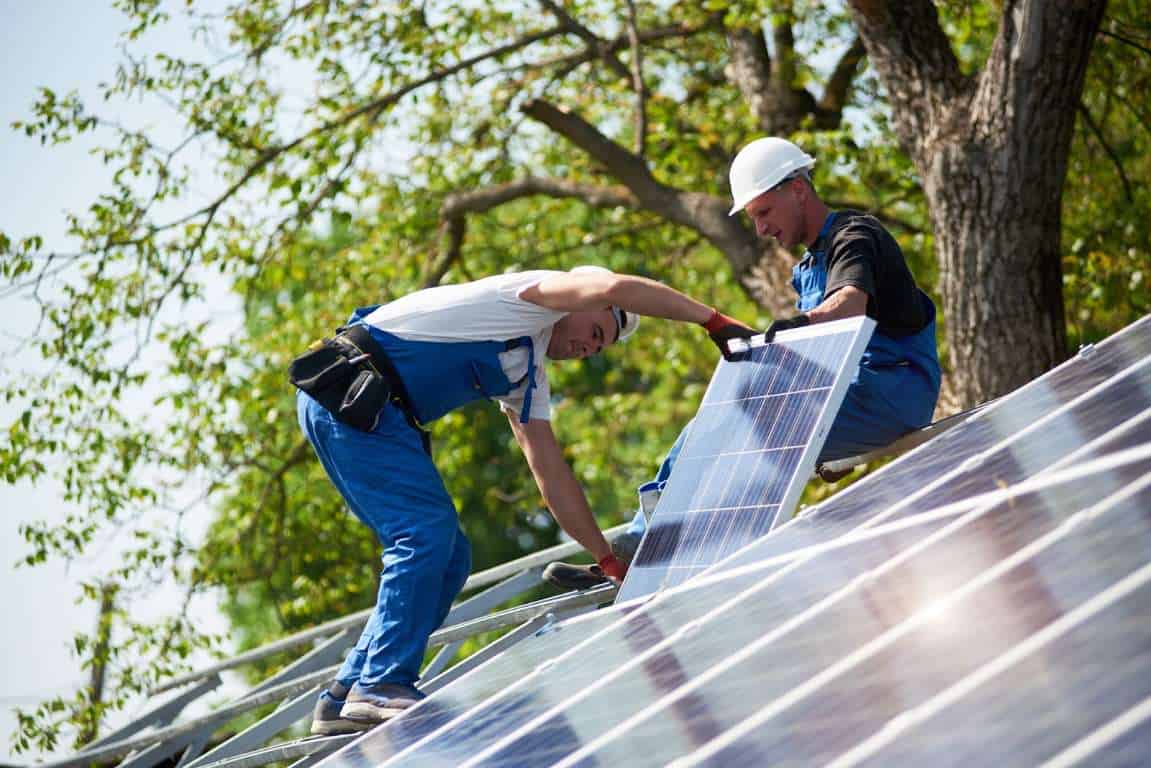
The installation team mounts the racking system, installs the solar panels, and connects the inverter and wiring. Everything is secured carefully to protect your roof and ensure long-term performance.

Step 6: Inspection and Utility Approval

After installation, the system is inspected by local officials to confirm it meets safety and electrical standards. Your utility company also reviews the system before giving permission to operate.

This step is important and may take a little time, but it ensures everything is working safely and correctly.

Step 7: System Activation and Power On

Once approval is granted, your system is turned on. This is the moment your home or business begins generating clean energy from the sun.

Many systems include monitoring tools that allow you to track energy production and usage in real time, often through a mobile app.

Step 8: Ongoing Use and Maintenance

Solar systems require very little maintenance. Panels are designed to withstand weather and last for decades. Occasional cleaning and routine checks help keep them operating efficiently.

Your installer may also offer support or maintenance plans for added peace of mind.

Final Thoughts

The solar panel installation process is easier than most people expect. From the first consultation to system activation, each step is designed to ensure safety, performance, and long-term value.

By understanding the process, you can move forward with confidence and enjoy the benefits of clean, reliable energy for years to come.

Leave a Reply

Your email address will not be published. Required fields are marked *